Saw palmetto and nettle root: what the research on this pairing actually shows
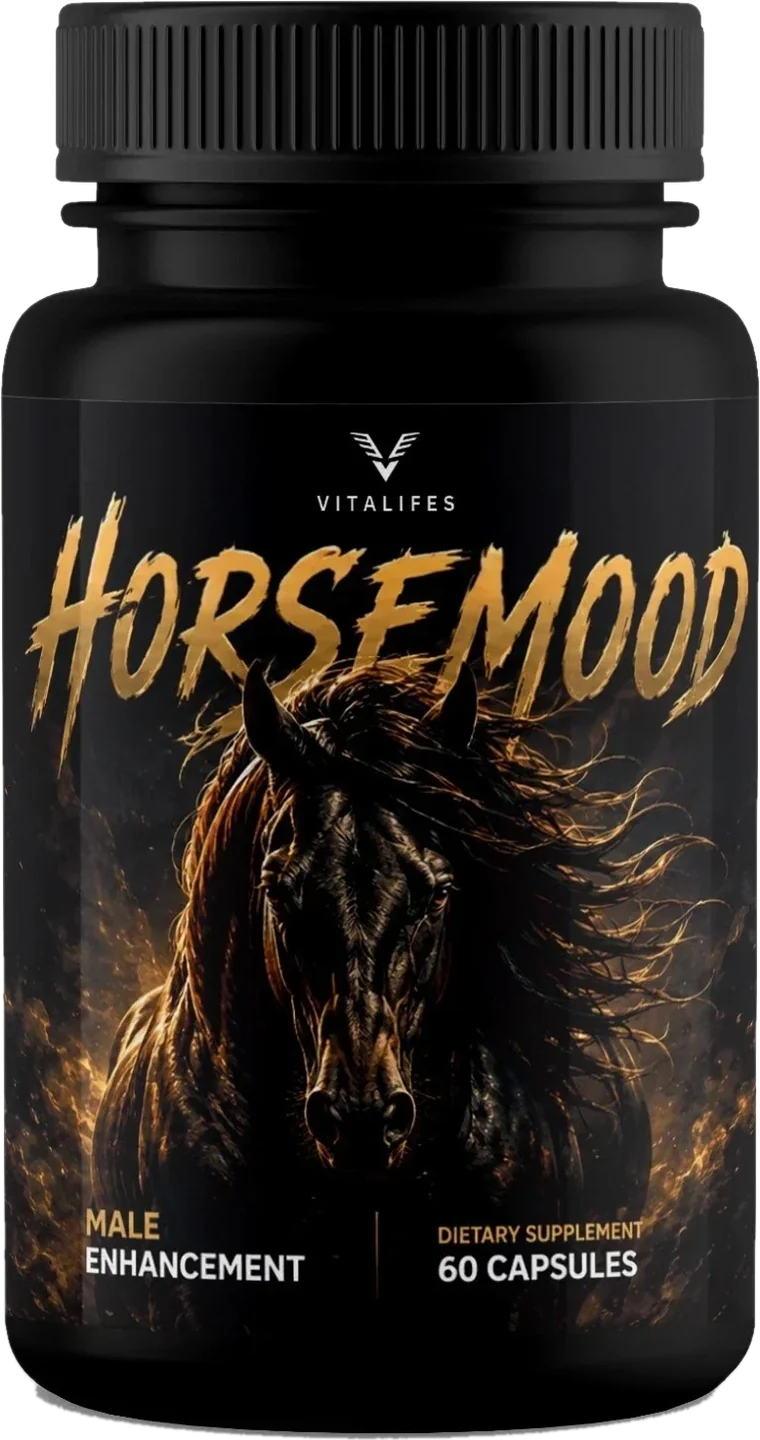
These two sit third and fourth on HorseMood's label, and they're a pairing you'll see across dozens of men's formulas. The published trial record on each one, read separately, is more mixed than the pairing's popularity would suggest.
HorseMood's Test Boost Proprietary Blend lists Saw Palmetto Extract (Serenoa Repens) Fruit third and Nettle Extract (Urtica Dioica L.) Root fourth, out of eight ingredients sharing one 1,200 mg total with no individual milligram amount printed for either. That pairing isn't unique to this product — saw palmetto berries and nettle root show up together across a huge share of men's-health formulas, largely because both have a long history of use for urinary and prostate-related symptoms in aging men. What's less commonly discussed is that the published clinical trial record for each ingredient, read on its own terms, is considerably more mixed than the pairing's ubiquity would suggest. This article walks through what the actual randomized trials found, not what the supplement aisle assumes.
Why these two are paired in the first place
Saw palmetto is the dried berry of Serenoa repens, a small palm native to the southeastern United States, long used by Indigenous peoples of the region and later adopted into European phytotherapy for lower urinary tract symptoms associated with an enlarged prostate. Nettle root — the root of the stinging nettle plant, Urtica dioica, distinct from the leaf used in allergy remedies — has a parallel history in German and broader European herbal medicine for the same category of symptoms. Formulators pair them because the traditional-use case overlaps almost exactly, not because a specific trial tested the combination and found it superior to either ingredient alone. That distinction matters for reading the rest of this article.
The proposed mechanisms for each also overlap, at least in theory. Both are discussed in the herbal-medicine literature as having some interaction with the same hormonal pathways involved in prostate tissue growth — saw palmetto's fat-soluble compounds are most often discussed in relation to the enzyme that converts testosterone to a more potent form locally in prostate tissue, and nettle root extracts are most often discussed in relation to sex-hormone-binding globulin and to a couple of the same enzyme systems. Those are proposed mechanisms, not settled ones, and none of the clinical trials described below actually measured enzyme activity or hormone-binding directly. What they measured was simpler and more useful to a buyer: reported urinary symptom scores, in real patients, compared against a placebo pill that looked and tasted the same.
Saw palmetto: the largest trial found nothing
The single most influential piece of saw palmetto research is a trial published in the New England Journal of Medicine in 2006 by Bent and colleagues.[1] It randomized 225 men over age 49 with moderate-to-severe benign prostatic hyperplasia (BPH) symptoms to one year of saw palmetto extract, 160 mg twice daily, or placebo — a substantially larger sample and a longer duration than most botanical trials in this category manage. The result: no significant difference between saw palmetto and placebo on the American Urological Association Symptom Index, maximum urinary flow rate, prostate size, post-void residual volume, quality-of-life score, or PSA levels. Side effects were similar between groups. This is about as clean a null result as this kind of research produces.
That result matters because it came after years in which several smaller, shorter trials had reported modest symptom improvement with saw palmetto, which is part of why the ingredient became and remained a staple of the category. The 2006 trial didn't erase that earlier literature, but its size, duration, and rigor make it hard to wave away, and it is the trial most frequently cited by clinicians and pharmacists today when the subject of saw palmetto's evidence base comes up. If a source tells you saw palmetto is well-proven for prostate or urinary symptoms without mentioning this trial, that source is giving you an incomplete picture.
What a null result does and doesn't prove
It's worth being precise about what "no significant difference from placebo" actually means, because it gets overstated in both directions. It does not mean the trial proved saw palmetto has zero biological effect — a single trial, however large, cannot prove a universal negative. What it does mean is that, at the specific dose tested (160 mg twice daily), in the specific extract form tested, over the specific one-year window tested, in this specific population of 225 men with moderate-to-severe symptoms, the measured outcomes did not separate from placebo by a margin the trial was capable of detecting. That is a strong, specific piece of evidence against saw palmetto working reliably under those exact conditions. It says less about other doses, other extract types, or milder symptom presentations that the trial didn't test. The nuance matters, but it doesn't rescue the ingredient's reputation as much as marketing built on the older, smaller trials would suggest.
One more wrinkle worth naming: most of the positive saw palmetto trials that predate the 2006 result, and most of the saw palmetto sold generally, used what's called a liposterolic extract — a fat-soluble concentrate standardized to its fatty-acid and sterol content, because those are the compounds thought to matter for the enzyme interaction described above. HorseMood's label lists the ingredient simply as "Saw Palmetto Extract," without specifying liposterolic standardization or any other extraction detail, so there's no way to confirm from the label alone whether the form used here matches the form most trials, positive or negative, actually tested.
Nettle root: a genuinely mixed record
Nettle root's trial record doesn't resolve as cleanly in either direction. Three studies illustrate the range:
A positive result in 100 patients
Ghorbanibirgani and colleagues ran a randomized, double-blind trial in 100 BPH patients, published in the Iranian Red Crescent Medical Journal in 2013.[2] Patients received nettle extract or placebo for eight weeks, with symptom scores assessed on the American Urological Association scale. The nettle group showed a statistically significant improvement compared with the placebo group, which showed essentially no change over the same period.
A negative result in combination with pygeum
Melo and colleagues tested a combination of pygeum bark extract and stinging nettle extract against placebo in a double-blind, randomized trial published in the International Braz J Urol in 2002.[3] In that trial, the combination produced clinical and urodynamic effects similar to placebo — a null result, though it tested nettle only as part of a two-ingredient combination rather than on its own, which makes it harder to isolate nettle's individual contribution one way or the other.
A positive long-term result at 12 months
Schneider and Rübben ran a randomized, double-blind, placebo-controlled multicenter trial of a specific nettle root extract product in 246 patients with benign prostatic syndrome, followed for twelve months and published in Der Urologe in 2004.[4] The International Prostate Symptom Score fell from an average of roughly 18.7 to roughly 13.0 in the treatment group, a statistically significant improvement over placebo, with fewer reported adverse events and urinary infections in the nettle group as well.
Put those three side by side and the honest summary is: nettle root has real randomized evidence in both directions, using different extracts, different trial lengths, and in one case a different comparison (combined with another herb rather than alone). That's a meaningfully different picture than either "nettle root is proven" or "nettle root doesn't work" — it's an ingredient where extract type and formulation appear to matter enough that results don't generalize cleanly from one product to the next.
Common questions this research raises
If one big trial found nothing for saw palmetto, why is it still everywhere?
Partly inertia, partly the earlier smaller trials that are still cited by people who haven't read the larger one, and partly because a null result in one specific trial design doesn't stop an ingredient with decades of traditional use and consumer familiarity from continuing to sell. None of that is a rebuttal of the 2006 result. It's an explanation for why the market and the evidence can point in different directions for years at a stretch.
Does a positive nettle trial mean nettle root works in general?
Not automatically. The Ghorbanibirgani and Schneider/Rübben trials are genuinely encouraging, but they each tested one specific extract product, not "nettle root" as a category. The Melo trial, using a different nettle preparation in combination with pygeum, found nothing. Herbal extracts vary enormously in how they're processed, what solvent is used, and what compounds end up concentrated or lost, so a result from one named product doesn't automatically transfer to a different product that also happens to say "nettle root" on the label — including this one, whose extraction method isn't specified beyond the single word "Extract."
Should these two be taken together, or does one just carry the other?
No trial cited here tested saw palmetto and nettle root together as a two-ingredient combination, let alone as two ingredients inside an eight-ingredient blend. The traditional pairing rests on overlapping use-case history, not on a combination trial. That doesn't make the pairing wrong, but it does mean nobody can honestly cite a specific study number for what the combination itself achieves.
A caution worth raising with a pharmacist
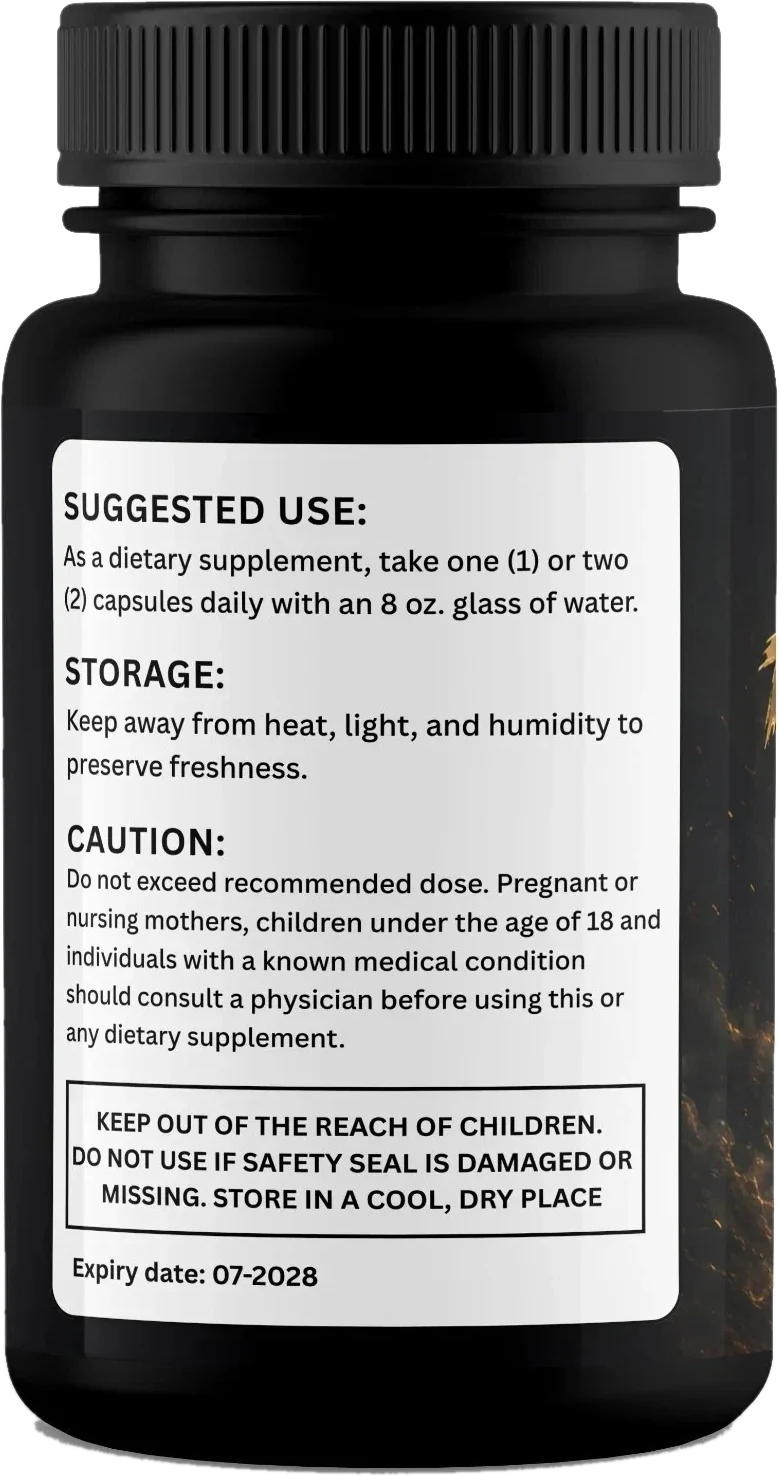
Because both saw palmetto and nettle root are traditionally used for the same category of prostate and urinary symptoms, either one is worth mentioning to a doctor or pharmacist if you are already taking a prescription medication for that same purpose — not because either ingredient is known to be dangerous in combination, but because taking two things aimed at the same physiological target, one tested and one not, is exactly the kind of overlap a pharmacist can flag quickly and a supplement label cannot. The same applies if you take a diuretic or a blood pressure medication, since nettle in particular has a traditional diuretic reputation of its own. HorseMood's own directions panel asks anyone with a known medical condition, or anyone taking medication, to consult a physician before use, and this is a concrete example of why that instruction is on the label rather than boilerplate.
What's actually on the HorseMood label
Both ingredients are printed as part of the single 1,200 mg blend total, with no individual amount disclosed for either saw palmetto or nettle root specifically. That means none of the studies above — not the null 2006 saw palmetto trial, not any of the three nettle trials — can be matched against what's actually in a HorseMood capsule, because the one number needed to make that comparison isn't printed. What is printed is the extract designation: both are listed as "Extract," not raw powder, which at least tells you the manufacturer used a processed form rather than plain dried plant material for these two ingredients specifically. That's a smaller piece of information than a milligram amount, but it's one more data point than nothing.
Reading this pairing honestly
Saw palmetto and nettle root are traditional, widely used, and included in a huge share of competing products for the same reason they're in this one: overlapping historical use for the same symptom category. The clinical trial evidence doesn't support treating that traditional pairing as a settled, proven combination. Saw palmetto's largest and longest trial found no benefit over placebo. Nettle root's trial record is real but genuinely split, with results that seem to depend on the specific extract and formulation tested. Neither of those facts means the ingredients don't belong in a formula — traditional ingredients with mixed modern trial support are the norm in this category, not the exception — but neither should be read as more settled than it is, and no specific numeric claim about either ingredient's effect can honestly be applied to a product whose label doesn't disclose the dose.
If you're weighing this pairing as part of a broader men's formula, the most useful takeaway may be the least exciting one: read past the ingredient name to the extract description, the dose, and the trial that's actually being cited, on any product that lists either ingredient. A name on a label is a starting point for research, not a substitute for it, and that's exactly as true here as it is anywhere else in this category.
References
- Bent S, Kane C, Shinohara K, et al. Saw palmetto for benign prostatic hyperplasia. N Engl J Med. 2006;354(6):557-566. PMID: 16467543.
- Ghorbanibirgani A, Khalili A, Zamani L. The Efficacy of Stinging Nettle (Urtica Dioica) in Patients with Benign Prostatic Hyperplasia: A Randomized Double-Blind Study in 100 Patients. Iran Red Crescent Med J. 2013. PMID: 23487561.
- Melo EA, Bertero EB, Rios LAS, Mattos D Jr. Evaluating the efficiency of a combination of Pygeum africanum and stinging nettle (Urtica dioica) extracts in treating benign prostatic hyperplasia (BPH): double-blind, randomized, placebo controlled trial. Int Braz J Urol. 2002;28(5):418-425. PMID: 15748367.
- Schneider T, Rübben H. [Stinging nettle root extract (Bazoton-uno) in long term treatment of benign prostatic syndrome (BPS). Results of a randomized, double-blind, placebo controlled multicenter study after 12 months]. Urologe A. 2004;43(3):302-306. PMID: 15045190.