Our review process
How the Horse Mood pages on this site are written, checked by a physician, dated and corrected.
Written by the Horsemoods Editorial Desk · Medically reviewed by Dr. Mohit Khera, MD · Revised
This page explains how the Horse Mood pages on horsemoods.com are put together: who writes them, where each fact comes from, what the medical review checks, the words the site will not use and what happens when something turns out to be wrong.
Who writes and reviews the Horse Mood pages
Every page is written by the Horsemoods Editorial Desk, the in-house writing team of Horsemoods, a USA authorized Horse Mood retailer. The desk does not make the product, set its formula or print its label. Its job is to explain the product plainly and send buyers to the official checkout.
Before a page goes live, Dr. Mohit Khera, MD, a physician, reviews it for accuracy and safety. The reviewer is named in the byline at the top of each page and in the panel at the bottom, and the about page sets out what the review covers. The desk writes; the reviewer checks. Neither role replaces the other.
Where the Horse Mood facts come from
Every statement about the product traces back to one of these sources, checked in this order:
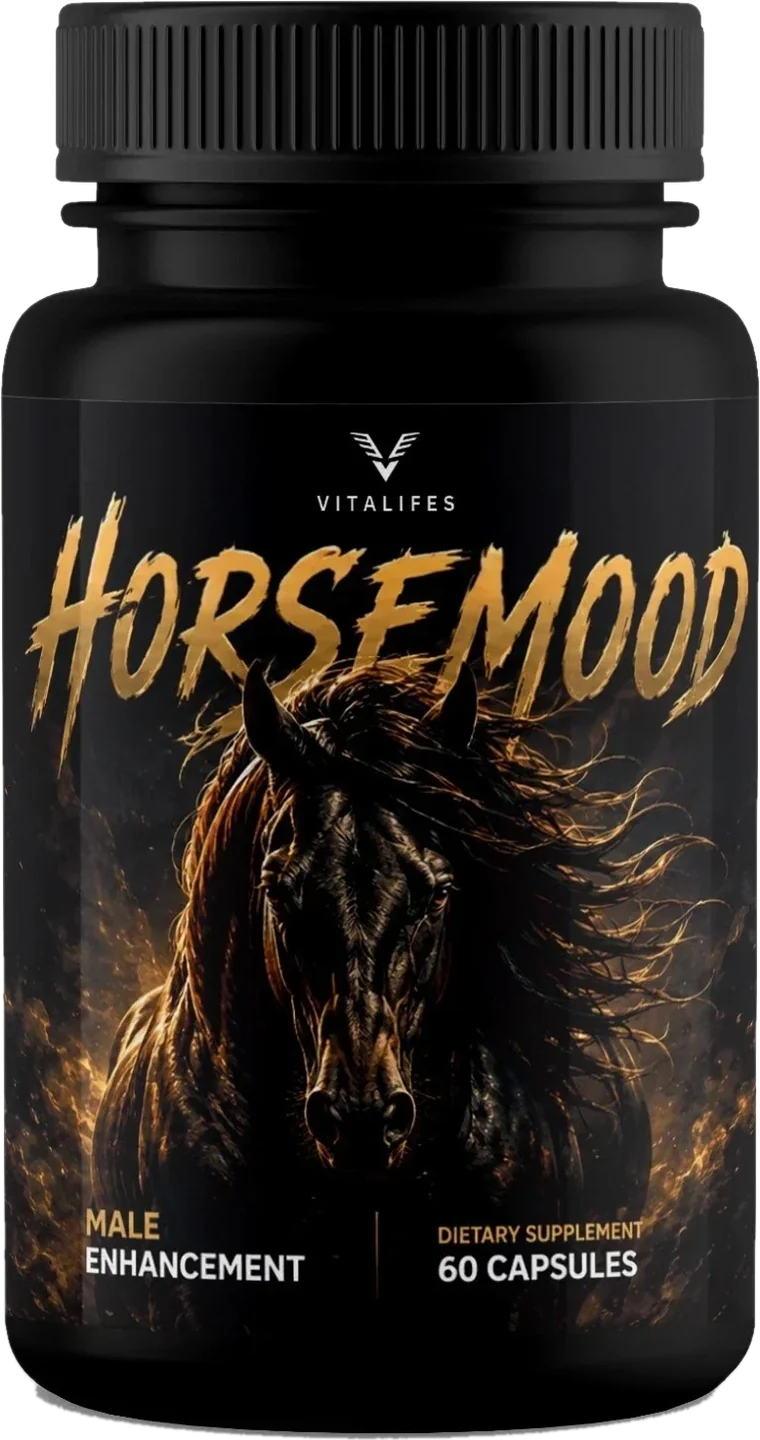
- The bottle. The front label, the Supplement Facts panel and the directions and caution panel, read from the label images. If anything else disagrees, the bottle is what this site prints.
- The seller’s pack. The pack sizes, the returns address, the refund timing, the lot and certificate references and the desk contacts.
- U.S. health agencies. The NIH Office of Dietary Supplements, NIDDK, MedlinePlus, NCCIH, the FDA and the FTC, for what the ingredients are, when a doctor matters and what supplement advertising may say.
- The marketplace listing. The price and the guarantee window are set there. The desk could not read the listing directly, so the site sends you to the checkout for both rather than copying a figure it has not seen.
How a Horse Mood page is prepared
- Read the label first. The writer types out every line the page needs: the serving, the blend, the ingredient order, the cautions.
- Add the seller’s terms. Pack sizes, the return steps and the refund timing are copied as the pack gives them.
- Check the health points. Anything about safety, medicines or when to see a doctor is checked against an NIH, MedlinePlus or FDA source and linked.
- Write it plainly. The page answers its own question first, then gives the detail, and says so where the label is silent.
- Medical review. The reviewer reads the draft for accuracy and safety, with extra care on doses, interactions and anything touching erections or the heart.
- Publish with a date. Once approved, the page is published with the reviewer’s name in the byline and a revision date matching the day of the change.
What the Horse Mood medical review covers
The review covers the product copy, the transcription of the bottle, the ingredient notes, the safety and doctor-first sections and the legal pages. It looks for statements that are wrong, unsafe or stronger than the evidence allows, and for any place where a reader might skip a doctor they need.
A page is reviewed again when the label, a safety fact or the seller’s terms change. Three things the review is not: an endorsement of Horse Mood, a promise that it will work for you, or medical advice about your own health. For that, see a doctor who knows your history and your medicines.
Words we will not use about Horse Mood
The bottle’s front label names one category, “Male Enhancement”, and its panel names the blend “Test Boost”. The site stays inside those words.
- No page calls Horse Mood a treatment or cure for erectile dysfunction, or a substitute for a prescription.
- No page promises more testosterone, stamina, energy, libido, blood flow, vitality or performance, or any result by a set date. Test Boost is the printed name of the blend, and the site treats it as a name, not a claim.
- No page calls the formula natural, clinically proven or doctor formulated, because the bottle says none of that.
- No page describes the product or its factory as FDA approved; the FDA does not approve supplements before they are sold.
- No page prints a guarantee length of its own; the listing at checkout sets it.
These limits follow FTC guidance on health products, which expects claims about health products to rest on reliable evidence.
Horse Mood numbers we print, and ones we leave out
The site prints the numbers the label prints: 60 capsules, two capsules a serving, 30 servings, a 1,200 mg blend and eight named ingredients, plus the lot and certificate references from the seller’s pack. It does not estimate an amount for any single ingredient, because the label gives none.
It also shows no star rating and no customer reviews. None have reached the desk in a form it can check, and a review the desk cannot check does not go on the page.
What the Horse Mood pages link to
Where a page states a health fact, it links to the public source it came from: an NIH fact sheet, a MedlinePlus or NIDDK page, an FDA or FTC page. Those links open in a new tab so you can read the source beside the page. The desk does not cite a source it has not opened and read, and it does not link to sales pages dressed up as research.
When a source and the label seem to disagree, the page says what each one says rather than blending them. The label is the final word on what is in the bottle; the health source is the final word on what a doctor should hear about.
How Horsemoods is paid for Horse Mood orders
Horsemoods is paid when you order through the buttons on this site; the buttons lead to the marketplace checkout, and the price there is the price you pay. Being paid on orders is exactly why this page exists: with the method in front of you, you can judge whether the pages lean toward the sale. The cautions and the doctor-first advice appear on the home page, the disclaimer and every page panel regardless.
How Horse Mood page dates work
Each page shows a revision date in its byline and in the panel at the bottom, and the same date sits in the page’s structured data for search engines. The date moves only when the page changes: a corrected fact, a new safety note, a change to the seller’s terms. A page is never re-dated without a change.
When several pages change together, for example after a new label or a revised safety note, each one carries the new date, and the change is described on the page it affects rather than in a separate log you would have to find.
Corrections to Horse Mood pages
If you think something on a page is wrong, write to the website inbox listed in the site footer and on the contact page, with the page address and what you believe is wrong. A source helps.
Each report is compared with the bottle label or the source the page cites. A confirmed error is fixed on the page where it appears and the revision date moves; a change to a dose, a direction or a safety fact also goes back through the medical review. Order and refund questions go to the order desk instead, as the returns page explains.
Horse Mood review process: common questions
No. A reviewer reads each page for accuracy and for safety, with a general reader in mind. Nor is the review an endorsement, or a view on your own health.
No. Horsemoods is a USA authorized retailer. The bottle carries the Vitalifes brand line, and Horsemoods does not make, formulate or label the capsules.
Because the price is set on the marketplace listing and shown at checkout. A price copied onto this site could fall out of date, so the checkout is the only place a price appears.
Because the label does not. It lists a 1,200 mg Test Boost blend and names eight ingredients inside it, and this site will not estimate a split the label leaves out.
The desk checks a report against the label or the cited source first. A confirmed error is corrected on the page where it appears, and the revision date moves the same day the fix goes live.
It should not, and this page is how you can check. The cautions, the doctor-first advice and the limits on what the label claims are printed whether or not they help a sale.